Bleeding Stories & Building Worlds: Why I Had to Write West of Nowhere
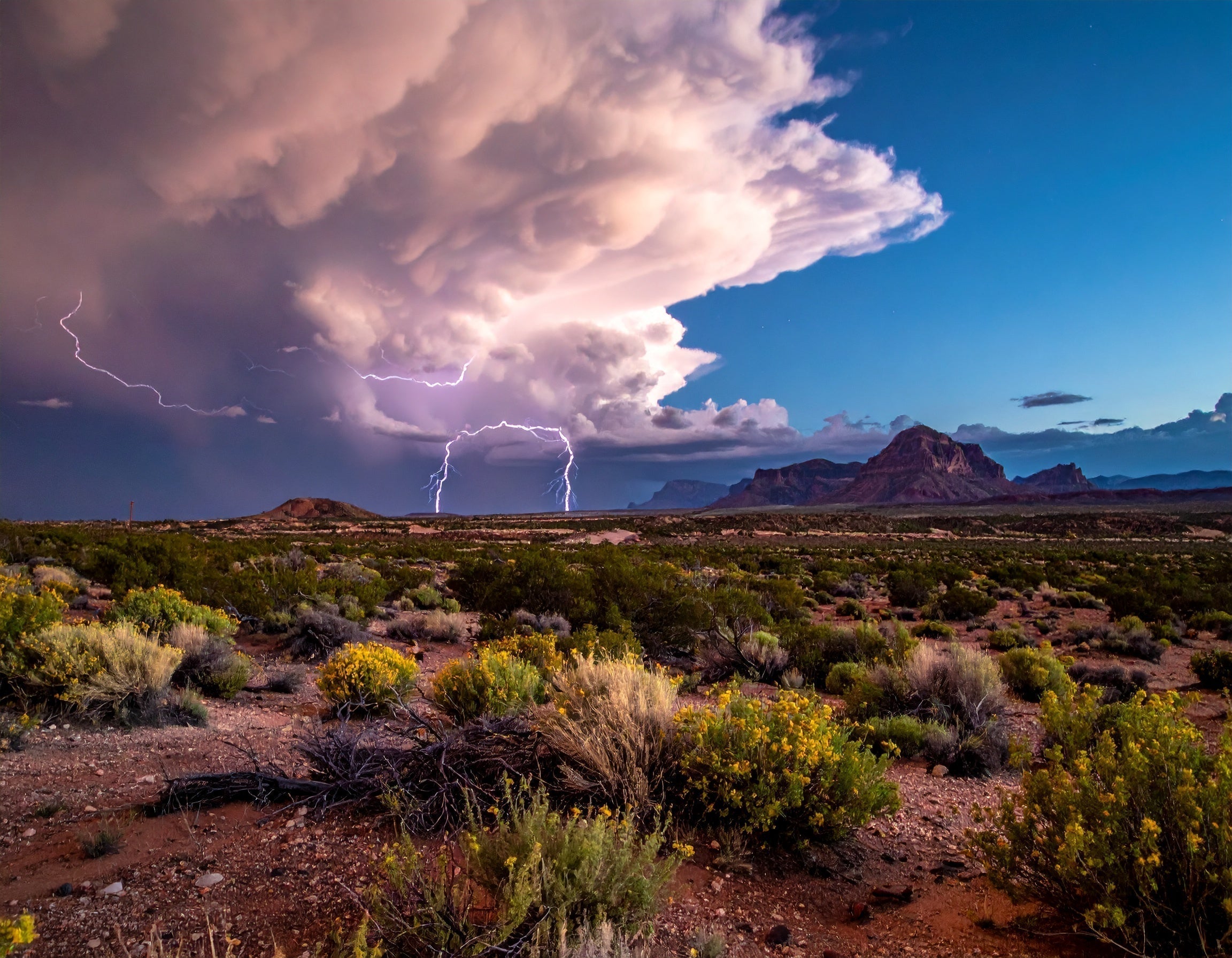
When I don’t write, I grow moody, restless, half-starved. Stories gnaw at me until I let them out. It’s like carrying a storm in your chest. You can hold it, but eventually it cracks the sky. Writing is lightning leaving the body.
Erica and I often say we are merely conduits—that the stories aren’t ours, but gifts whispered through us.
God places them in our hands like seeds if we are open enough at the time to receive them. Then all we can do is try to grow them with the soil we’ve been given. Whether we do these gifts justice—mmmm, sometimes? I hope. All I know for sure is that they arrive, unbidden, and writing feels less like invention than discovery.
I was eight when a story first took hold of me. My Grandma Ruth always had a Louis L’Amour novel in hand—coffee nearby, maybe a slice of pie balanced on a plate. One day I picked up Down the Long Hills.
The book tells the story of two children, ages seven and nine, left alone after an ambush on their wagon train. With no adults left alive, they cross the wilderness, hunted by outlaws, clinging to courage as their only weapon. For a boy just about their age, the story was electric. Survival, loss, bravery—it all felt possible.
From then on, I haunted the North Dale library in Tampa, checking out stacks of books so high I could barely carry them. I discovered fantasy and devoured Tolkien, Terry Brooks, Ursula Le Guin, Tracy Hickman and Margaret Weis’ Dragon Lance. Bradbury slipped into my imagination too, though I didn’t yet consider myself a fan of science fiction.
At school, English classes fed me Victorian voices that shaped my bones. Dickens and his peers, with ghosts of regret and longing. Great Expectations. Wuthering Heights. The Count of Monte Cristo. Later, Fitzgerald’s glittering ruin in Gatsby, Hemingway’s stripped prose, and Chaim Potok’s My Name Is Asher Lev—a story so foreign to my Texas upbringing yet somehow deeply familiar in its ache for belonging.
I chased other obsessions too: spy thrillers, Fleming’s Bond, Clive Cussler’s Dirk Pitt. Later King’s Dark Tower showed me how fantasy could bleed into western, horror, and myth. Jean Auel’s Clan of the Cave Bear stunned me with its rawness.
In short: I read everything. And I’ve loved every genre. The books I write are mosaics of these impressions—pieces of all those voices stitched together with my own experiences.
When I put a character through fire, it’s often fire I’ve walked through myself. That truth hums beneath the fiction, and I think readers can feel it. Sometimes, I turn to family history. My grandfather’s service in World War II becomes the seed for an epic, dramatized and shaped into myth. The facts hold steady, but the telling grows into something larger.
And then, there’s Erica. My wife, my fiercest editor, my creative partner. For years teachers told me I could write, but I didn’t believe it until she told me so. She takes my raw clay and helps sculpt it into form. Her world-class eye gives my characters their breath, their faces, their style. Without her, the work would still be mine—but it wouldn’t be alive.
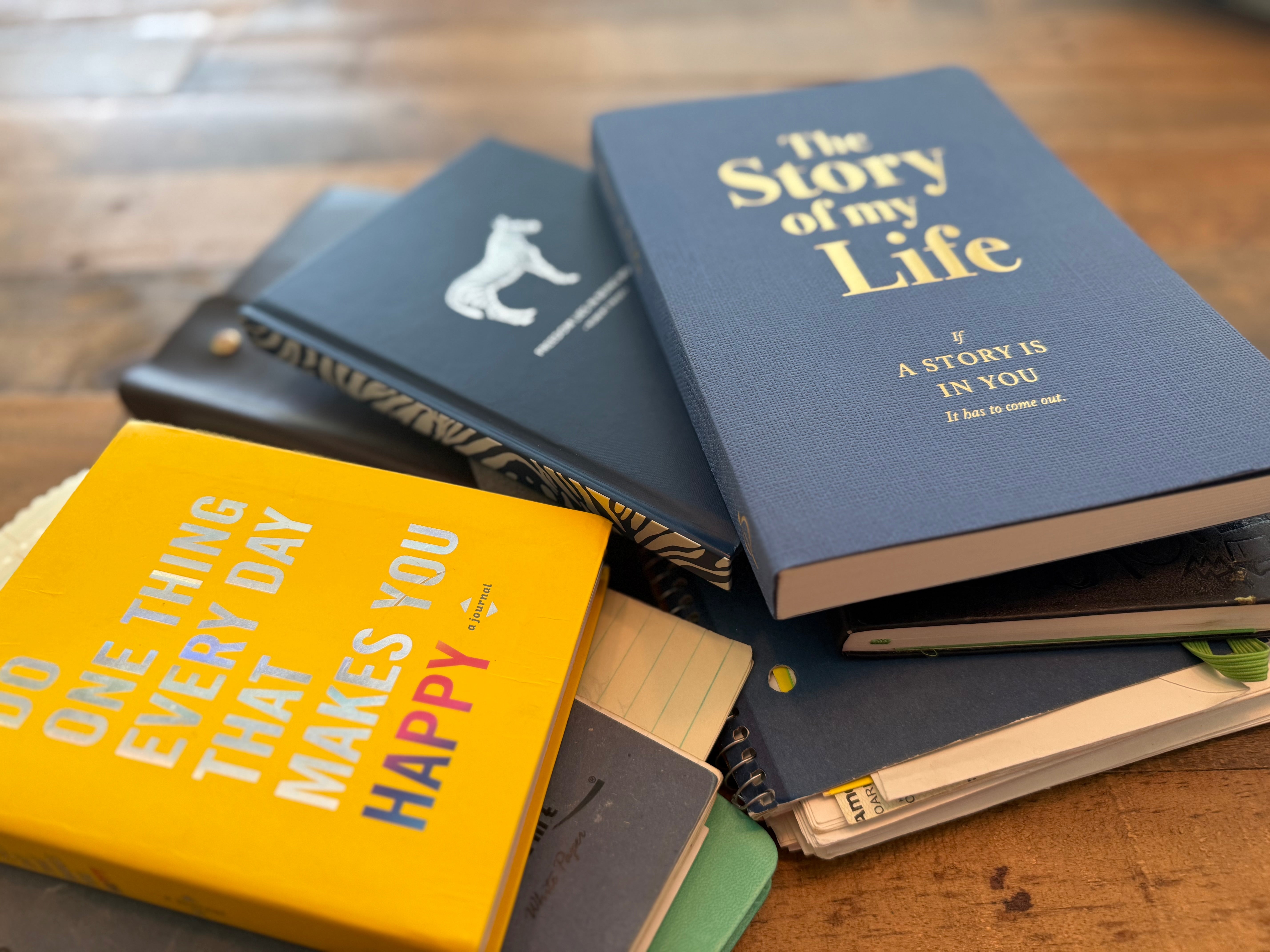
The truth is simple: I write because I need to. The way I play guitar. The way I obsessively listen to albums. The way some people run to clear their heads. My professional life requires creativity, yes, but within tight rails. Writing is different—it’s unguarded. It’s where I can pour myself out with no fences.
I don’t write for vast riches. I don’t even need readers, though I hope to call some of them friends. I write because I must. To keep my soul light. To stay whole. To let the storm out.
And, truthfully, because a happy wife makes for a happy life. If Erica smiles when she reads what I’ve written, that’s more than enough.
Because, as Hemingway once said:
“There is nothing to writing. All you do is sit down at a typewriter and bleed.”
And bleed I do. Every story. Every page. Until the words that God gave me are no longer trapped in me—but alive in the world.
#thewesterners #dustinlee #ddwp #deathdoweparty #storiesthatstick #indiepress #booktok #westofnowhere